By Anpel Team | 09 December 2020 | 0 Comments
SPE operation skills
Slow flow rate, low recovery rate, poor parallelism?
SPE operation skills help you solve it easily
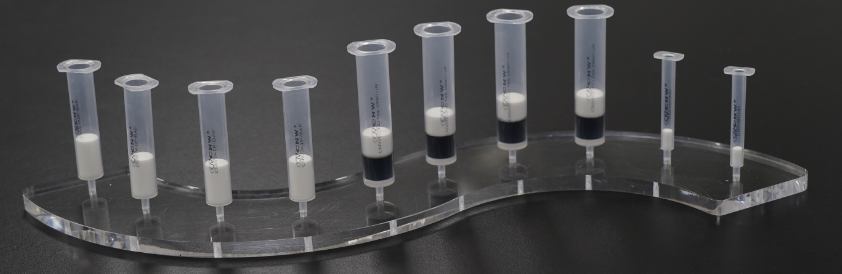
Why is there a slow or inconsistent flow rate, low recovery rate, and poor parallel ism during SPE operation? Many friends may have encountered these problems. Is the choice of small column inappropriate, is there a problem with the method? Or is the fill er particle size distribution uneven and the packing tightness unstable? In fact, the flow rate of each batch of SPE cartridges has a strict quality control range. The cartridges within the quality control range can ensure the stability of the flow rate, and the cartridg es outside the quality control range will be treated as abnormal products. Is it possible to completely avoid these problems by using a stable method and using cartridges that have passed the factory flow rate test?
In fact, there is another detail that is easy to be overlooked, which can also cause the flow rate to be too slow: the sieve plate and the packing of the SPE cartridge may be slightly loosened during the transportation process, causing air to enter the packing (generally not easy to be detected by the naked eye), containing The air filler causes the solvent to flow slowly under the action of air pressure. At this point, everyone can understand why the flow rate of the same batch of small columns is uneven. So how do we solve this problem in the SPE experiment operation?

1.1 Ways to clear bubbles
√ Positive pressure eliminates bubbles
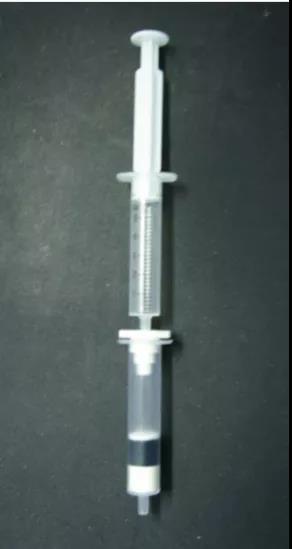
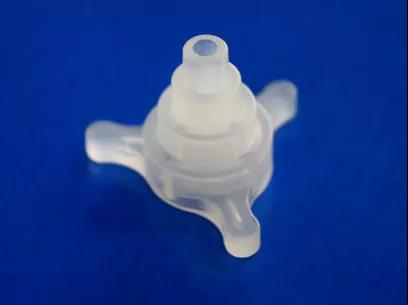
The number of samples is relatively small, the amount of filler is relatively small, and it is more convenient to manually apply positive pressure, you can use the syringe to connect the adapter for positive pressure to eliminate air bubbles.
√ Eliminate bubbles under negative pressure
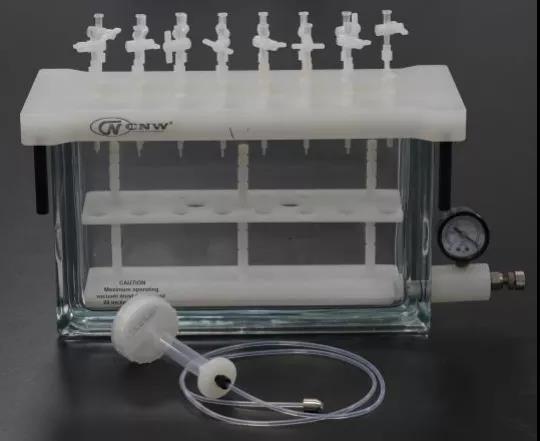
If the number of samples is relatively large, the amount of filler is large, and it is inconvenient to apply positive pressure manually, a vacuum pump can be used to conn ect the solid phase extraction device to remove bubbles under negative pressure.
1.2 When are bubbles discharged?
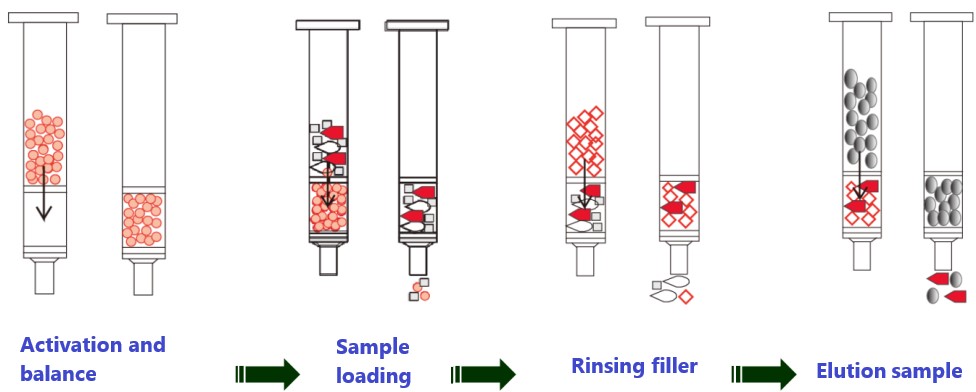
SPE operation generally includes four steps: activation balance, sample loading, rinsing, and elution. Is it necessary to remove bubbles at every step? Of course not. Generally, when there are gaps between the fillers, the operation of debubbling is req uired. For example, after adding the activation balance solution, the operation of debu bbling is required to make the solution better contact the filler.
There is also an easily overlooked link that needs to be drained. Generally, it nee ds to be drained after rinsing. After draining, air will also enter the packing room. After adding the eluent, it also needs to be drained. , Otherwise a large number of bubbles will seriously affect the flow rate of the eluent and the elution effect.
1.3 Precautions for bubble discharge
When exhausting bubbles, generally eliminate 1/3 of the column volume of the solvent to eliminate the bubbles in the packing, remember not to drain the solution. To prevent draining, the speed of manually discharging bubbles is not easy to be too fast, but also not too slow, too slow speed may not be able to discharge larger bubbles.
What if the activation balance solution is accidentally drained? Just re-add the activation solvent to remove the bubbles.
The correct removal of air bubbles can avoid slow or inconsistent flow rates to a certain extent. Can our recovery rate and parallelism be guaranteed? There is also a magical little operation-draining and doing these two steps at the same time, so that we can get a better experimental result.

When to drain?
× The activation balance solution and sample loading solution do not need to be drained
The main purpose of the activation equilibrium process is twofold, one is to clean the filler, to wash away the background in the filler, and the other is to facilitate the exp ansion of the bonded phase molecules. Mainly some long-chain functional groups, for example, C18 is not fully expanded when the filler is dry. Activation can make the filler functional groups wet and stretch and maintain the maximum adsorption activity for the target compound.
Therefore, the process of activation equilibrium does not need to be drained.
A small partner once asked whether the sample liquid needs to be drained? The pol arity of the loading solution and the eluent are generally similar, so the loading solution does not need to be drained.
√ The eluent and eluent need to be drained
There are two main reasons why the eluent needs to be drained:
①Generally, the polarity of the eluent and the eluent will be quite different (for example, the eluent is water, and the elution solvent is n-hexane or dichloromethane). The two solvents are immiscible or have poor solubility, which will cause The eluent d oes not flow down or the flow rate is slow, which hinders the contact of the elution solv ent with the target, resulting in poor elution effect and low recovery rate.
②If the eluent is water, part of the eluent will be collected in the eluent without being drained. If the eluent is blown with nitrogen, the water-containing eluent is also difficult to blow dry. The time nitrogen blowing to dry a small amount of aqueous soluti on will lead to a low recovery rate, so it is necessary to perform a draining operation after leaching.
Part of the elution solvent will remain on the packing after elution. When the am ount of packing is large, even 1~2mL of eluent will remain, and the eluent cannot be ful ly recovered, resulting in low recovery rate and poor parallelism. In order to ensure that the elution solvent and the target are completely recovered, it is also necessary to drai n.
to sum up
√ Degas bubbles before activation balance and elution.
√ Drain after rinsing and elution.

SPE operation skills help you solve it easily
Why is there a slow or inconsistent flow rate, low recovery rate, and poor parallel ism during SPE operation? Many friends may have encountered these problems. Is the choice of small column inappropriate, is there a problem with the method? Or is the fill er particle size distribution uneven and the packing tightness unstable? In fact, the flow rate of each batch of SPE cartridges has a strict quality control range. The cartridges within the quality control range can ensure the stability of the flow rate, and the cartridg es outside the quality control range will be treated as abnormal products. Is it possible to completely avoid these problems by using a stable method and using cartridges that have passed the factory flow rate test?
In fact, there is another detail that is easy to be overlooked, which can also cause the flow rate to be too slow: the sieve plate and the packing of the SPE cartridge may be slightly loosened during the transportation process, causing air to enter the packing (generally not easy to be detected by the naked eye), containing The air filler causes the solvent to flow slowly under the action of air pressure. At this point, everyone can understand why the flow rate of the same batch of small columns is uneven. So how do we solve this problem in the SPE experiment operation?
1.1 Ways to clear bubbles
√ Positive pressure eliminates bubbles
The number of samples is relatively small, the amount of filler is relatively small, and it is more convenient to manually apply positive pressure, you can use the syringe to connect the adapter for positive pressure to eliminate air bubbles.
√ Eliminate bubbles under negative pressure
If the number of samples is relatively large, the amount of filler is large, and it is inconvenient to apply positive pressure manually, a vacuum pump can be used to conn ect the solid phase extraction device to remove bubbles under negative pressure.
1.2 When are bubbles discharged?
SPE operation generally includes four steps: activation balance, sample loading, rinsing, and elution. Is it necessary to remove bubbles at every step? Of course not. Generally, when there are gaps between the fillers, the operation of debubbling is req uired. For example, after adding the activation balance solution, the operation of debu bbling is required to make the solution better contact the filler.
There is also an easily overlooked link that needs to be drained. Generally, it nee ds to be drained after rinsing. After draining, air will also enter the packing room. After adding the eluent, it also needs to be drained. , Otherwise a large number of bubbles will seriously affect the flow rate of the eluent and the elution effect.
1.3 Precautions for bubble discharge
When exhausting bubbles, generally eliminate 1/3 of the column volume of the solvent to eliminate the bubbles in the packing, remember not to drain the solution. To prevent draining, the speed of manually discharging bubbles is not easy to be too fast, but also not too slow, too slow speed may not be able to discharge larger bubbles.
What if the activation balance solution is accidentally drained? Just re-add the activation solvent to remove the bubbles.
The correct removal of air bubbles can avoid slow or inconsistent flow rates to a certain extent. Can our recovery rate and parallelism be guaranteed? There is also a magical little operation-draining and doing these two steps at the same time, so that we can get a better experimental result.
When to drain?
× The activation balance solution and sample loading solution do not need to be drained
The main purpose of the activation equilibrium process is twofold, one is to clean the filler, to wash away the background in the filler, and the other is to facilitate the exp ansion of the bonded phase molecules. Mainly some long-chain functional groups, for example, C18 is not fully expanded when the filler is dry. Activation can make the filler functional groups wet and stretch and maintain the maximum adsorption activity for the target compound.
Therefore, the process of activation equilibrium does not need to be drained.
A small partner once asked whether the sample liquid needs to be drained? The pol arity of the loading solution and the eluent are generally similar, so the loading solution does not need to be drained.
√ The eluent and eluent need to be drained
There are two main reasons why the eluent needs to be drained:
①Generally, the polarity of the eluent and the eluent will be quite different (for example, the eluent is water, and the elution solvent is n-hexane or dichloromethane). The two solvents are immiscible or have poor solubility, which will cause The eluent d oes not flow down or the flow rate is slow, which hinders the contact of the elution solv ent with the target, resulting in poor elution effect and low recovery rate.
②If the eluent is water, part of the eluent will be collected in the eluent without being drained. If the eluent is blown with nitrogen, the water-containing eluent is also difficult to blow dry. The time nitrogen blowing to dry a small amount of aqueous soluti on will lead to a low recovery rate, so it is necessary to perform a draining operation after leaching.
Part of the elution solvent will remain on the packing after elution. When the am ount of packing is large, even 1~2mL of eluent will remain, and the eluent cannot be ful ly recovered, resulting in low recovery rate and poor parallelism. In order to ensure that the elution solvent and the target are completely recovered, it is also necessary to drai n.
to sum up
√ Degas bubbles before activation balance and elution.
√ Drain after rinsing and elution.
Leave a Reply
Your email address will not be published.Required fields are marked. *